When it comes to diabetes, early detection is key. Let’s delve into the telltale signs and symptoms you should keep an eye out for. From increased thirst to potential complications, here’s what you need to know.
Exploring the world of diabetes symptoms can be both enlightening and empowering. By understanding these signs, you’re better equipped to take charge of your health.
Symptoms of diabetes to watch for
Diabetes is a chronic condition that affects how your body uses glucose (sugar) for energy. Recognizing the symptoms of diabetes early on is crucial for timely intervention and proper management of the condition.
Common Symptoms of Diabetes:
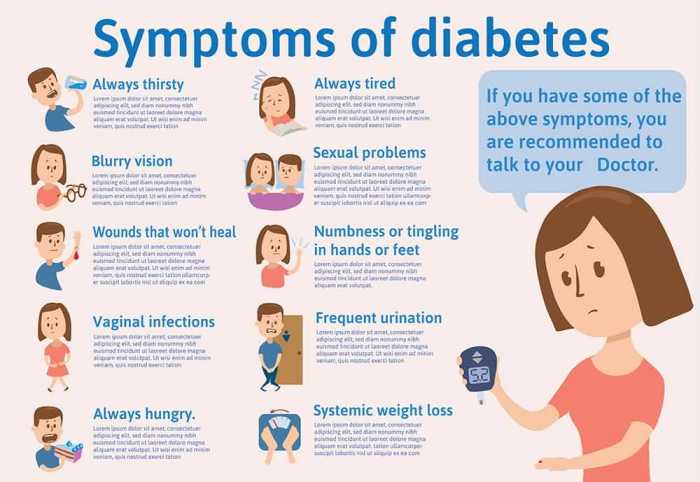
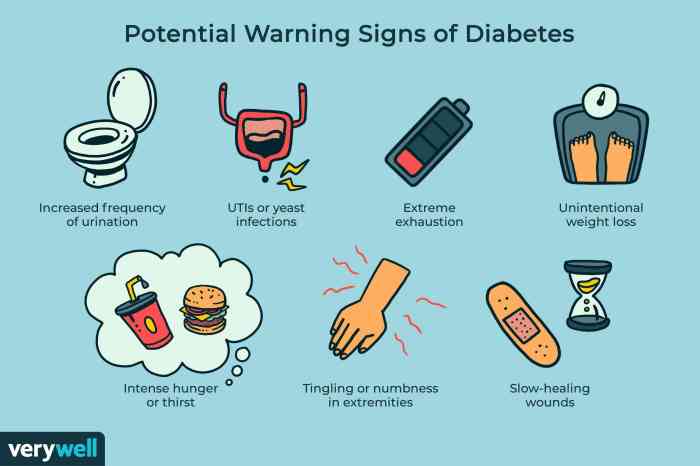
- Increased thirst and urination: Experiencing frequent thirst and urination can be a sign of high blood sugar levels as the kidneys work to filter and absorb excess glucose from the blood.
- Unexplained weight loss: Weight loss can occur even when you are eating more due to the body’s inability to properly utilize glucose for energy.
- Increased hunger: Despite eating, you may feel constantly hungry as your body struggles to convert food into energy efficiently.
Signs of High Blood Sugar Levels:
- Fatigue: Feeling tired and lethargic is a common symptom of high blood sugar levels as the body’s cells are not receiving enough glucose for energy.
- Blurred vision: High levels of glucose in the blood can affect the lenses in your eyes, leading to blurry vision.
- Numbness or tingling in hands or feet: Damage to nerves caused by prolonged high blood sugar levels can result in numbness or tingling sensations.
It is important to monitor your body for these symptoms and seek medical advice if you suspect you may have diabetes. Early detection and intervention can help prevent complications and improve quality of life.
Conditions and Diseases
Diabetes, if left uncontrolled, can lead to various complications and long-term health issues. Some of the conditions that may arise from uncontrolled diabetes include:
Diabetic Retinopathy
Diabetic retinopathy is a common complication of diabetes that affects the eyes. It occurs when high levels of blood sugar damage the blood vessels in the retina, leading to vision problems and potential blindness if left untreated.
Neuropathy and Cardiovascular Disease
Uncontrolled diabetes can also lead to neuropathy, a condition that causes nerve damage, resulting in pain, numbness, and tingling in the affected areas. Additionally, diabetes increases the risk of cardiovascular disease, including heart attacks, strokes, and peripheral artery disease.
Impact of Type 1 and Type 2 Diabetes
Both type 1 and type 2 diabetes can have significant impacts on overall health and well-being. Type 1 diabetes is an autoimmune condition where the body does not produce insulin, while type 2 diabetes is characterized by insulin resistance. Type 1 diabetes often develops in childhood or adolescence, requiring lifelong insulin therapy. On the other hand, type 2 diabetes is more common in adults and can sometimes be managed with lifestyle changes, although medication may also be necessary.
End of Discussion
In conclusion, being vigilant about the symptoms of diabetes can make a world of difference. By staying informed and seeking timely intervention, you can proactively manage your health and well-being.
FAQ Resource
What are some less common symptoms of diabetes that people might overlook?
Less common symptoms include recurrent infections, unexplained weight loss, and slow-healing wounds. It’s crucial to pay attention to these signs as well.
Can diabetes symptoms vary between type 1 and type 2 diabetes?
Yes, while some symptoms overlap, there are differences. Type 1 diabetes often presents with sudden symptoms, while type 2 diabetes may have more gradual onset.
How important is it to seek medical advice if experiencing symptoms of diabetes?
It’s crucial to consult a healthcare provider promptly if you notice any symptoms to receive proper diagnosis and treatment. Early intervention can prevent complications.


