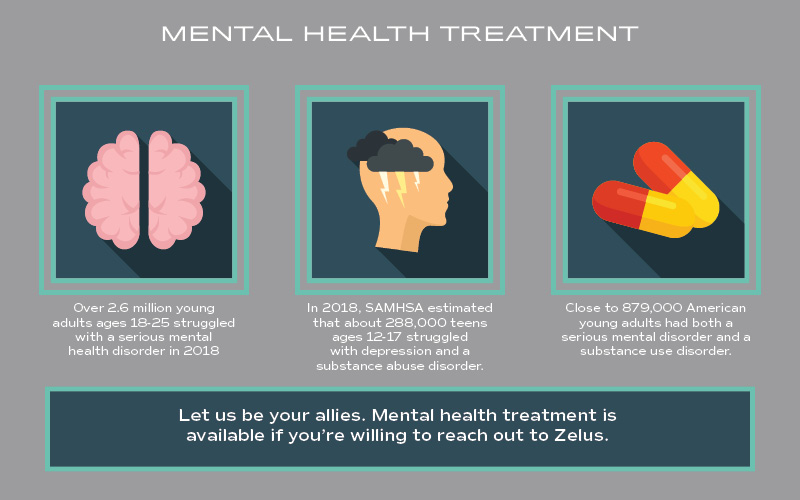
Dive into the fascinating world of mental health disorders and treatments with a blend of insightful information and engaging storytelling. From unraveling the complexities of various conditions to exploring effective interventions, this narrative promises to captivate your interest from start to finish.
Get ready to embark on a journey that sheds light on the nuances of mental health, offering a fresh perspective on how individuals navigate these challenges and discover paths to well-being.
Mental Health Disorders
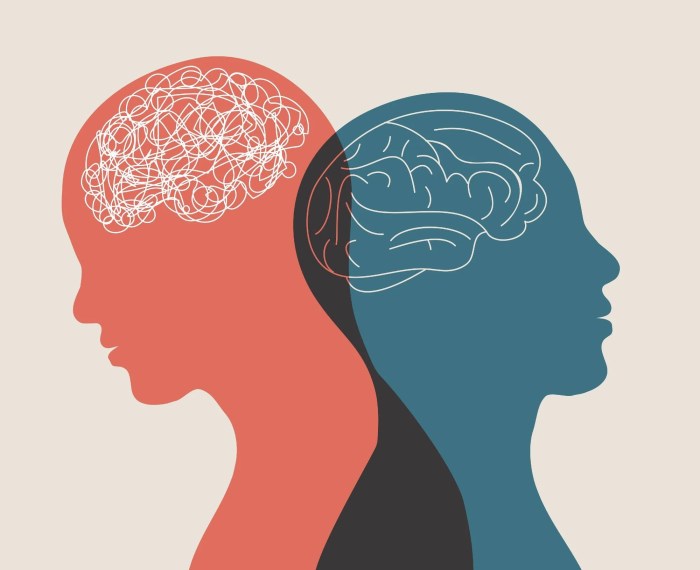
Mental health disorders are conditions that affect a person’s thinking, feeling, behavior, or mood. These disorders can impact how individuals relate to others and handle daily activities.
Anxiety Disorders
Anxiety disorders are characterized by excessive worry, fear, or nervousness. Symptoms may include restlessness, irritability, and panic attacks. Common types of anxiety disorders include generalized anxiety disorder, panic disorder, and social anxiety disorder.
Depressive Disorders
Depressive disorders, such as major depressive disorder and dysthymia, involve persistent feelings of sadness, hopelessness, and loss of interest in activities. Symptoms may include changes in appetite, sleep disturbances, and thoughts of death or suicide.
Obsessive-Compulsive Disorder (OCD)
OCD is a mental health disorder characterized by intrusive thoughts (obsessions) and repetitive behaviors (compulsions). Individuals with OCD may feel compelled to perform rituals to alleviate anxiety or prevent perceived harm.
Schizophrenia
Schizophrenia is a chronic and severe mental disorder that affects how a person thinks, feels, and behaves. Symptoms may include hallucinations, delusions, disorganized thinking, and social withdrawal.
Bipolar Disorder
Bipolar disorder involves cycles of mood changes, ranging from extreme highs (mania) to lows (depression). Individuals with bipolar disorder may experience episodes of elevated mood, increased energy, and impulsivity, followed by periods of sadness and fatigue.
Eating Disorders
Eating disorders, such as anorexia nervosa, bulimia nervosa, and binge-eating disorder, involve unhealthy behaviors related to food and body image. Symptoms may include restrictive eating, binge eating, purging, and excessive exercise.
Post-Traumatic Stress Disorder (PTSD)
PTSD can develop after experiencing a traumatic event. Symptoms may include flashbacks, nightmares, avoidance of triggers, and heightened anxiety. Individuals with PTSD may struggle with emotional regulation and have difficulty trusting others.
Impact of Mental Health Disorders
Mental health disorders not only affect individuals but also have a significant impact on society as a whole. These disorders can lead to decreased productivity, strained relationships, and increased healthcare costs. Addressing mental health disorders through proper diagnosis, treatment, and support is crucial to improving overall well-being and quality of life.
Treatments for Mental Health Disorders
When it comes to treating mental health disorders, there are various approaches that can be utilized to help individuals manage their symptoms and improve their overall well-being. These approaches can include therapy, medication, and lifestyle changes, all of which play a crucial role in the treatment process.
Therapy
Therapy, also known as counseling or psychotherapy, involves talking to a mental health professional to address and work through emotional and psychological issues. Different types of therapy, such as cognitive-behavioral therapy (CBT), dialectical behavior therapy (DBT), and interpersonal therapy, can be used depending on the individual’s specific needs and diagnosis. Therapy can help individuals develop coping skills, improve communication, and gain a better understanding of their thoughts and behaviors.
Medication
Medication is often prescribed by psychiatrists to help manage symptoms of mental health disorders. Antidepressants, antipsychotics, mood stabilizers, and anti-anxiety medications are commonly used to treat conditions like depression, anxiety, bipolar disorder, and schizophrenia. It is important to note that medication should be taken as prescribed and monitored closely by a healthcare provider to ensure effectiveness and minimize side effects.
Lifestyle Changes
In addition to therapy and medication, making lifestyle changes can also have a positive impact on mental health. Engaging in regular exercise, maintaining a healthy diet, getting an adequate amount of sleep, and practicing stress-reducing activities like yoga or meditation can all contribute to overall well-being. Social support, self-care practices, and setting boundaries are also important aspects of maintaining good mental health.
Importance of Early Intervention
Early intervention is crucial in treating mental health disorders as it can lead to better outcomes and prevent symptoms from worsening. Recognizing signs of mental illness early on, seeking help from a mental health professional, and following through with treatment recommendations are key steps in addressing mental health concerns before they escalate. By taking proactive measures and addressing issues promptly, individuals can improve their quality of life and reduce the impact of mental health disorders on their daily functioning.
Conditions and Diseases
Mental health conditions can have a profound impact on an individual’s well-being and quality of life. Understanding the specific conditions and diseases is crucial for effective diagnosis and treatment.Anxiety Disorders:Anxiety disorders are characterized by excessive worry, fear, or nervousness. Common types include generalized anxiety disorder, panic disorder, and social anxiety disorder. Causes may include genetics, brain chemistry, and life experiences.
Diagnosis is based on symptoms and their impact on daily life.Depression:Depression is a mood disorder that causes persistent feelings of sadness and loss of interest in activities. Factors such as genetics, brain chemistry, and life events can contribute to its development. Diagnosis involves evaluating symptoms such as changes in sleep, appetite, and energy levels.Bipolar Disorder:Bipolar disorder involves extreme mood swings from manic episodes of elevated mood to depressive episodes of sadness.
Genetic, biological, and environmental factors may play a role in its onset. Diagnosis is based on mood patterns and their impact on daily functioning.Schizophrenia:Schizophrenia is a serious mental disorder characterized by distorted thoughts, perceptions, and behaviors. Genetic predisposition, brain chemistry, and environmental factors are believed to influence its development. Diagnosis involves evaluating symptoms such as hallucinations, delusions, and disorganized thinking.Post-Traumatic Stress Disorder (PTSD):PTSD can develop after experiencing a traumatic event and is characterized by flashbacks, nightmares, and severe anxiety.
Risk factors include the severity of the trauma and lack of social support. Diagnosis is based on the presence of specific symptoms following a traumatic event.
Last Word
As we wrap up this exploration of mental health disorders and treatments, remember that understanding, empathy, and support are key in addressing these issues. Let’s continue to educate ourselves and others to create a more compassionate and inclusive world for all.
FAQ Corner
What are the most common mental health disorders?
Common mental health disorders include depression, anxiety, bipolar disorder, schizophrenia, and PTSD.
How are mental health conditions diagnosed?
Mental health conditions are diagnosed through a thorough evaluation of symptoms, medical history, and sometimes psychological assessments.
What is the importance of early intervention in treating mental health disorders?
Early intervention is crucial as it can prevent the worsening of symptoms, improve prognosis, and enhance overall quality of life for individuals with mental health disorders.


