
Embark on a journey through the world of chronic diseases, where we unravel the top 5 prevalent conditions impacting global health systems. Prepare to be informed, engaged, and intrigued as we delve into the realm of chronic illnesses.
Most Common Chronic Diseases
Chronic diseases are long-lasting conditions that can have a significant impact on a person’s quality of life. Here are the top 5 most common chronic diseases worldwide:
1. Cardiovascular Disease
Cardiovascular disease, including heart attacks and strokes, is the leading cause of death globally. It affects people of all ages and backgrounds, making it a major public health concern.
2. Cancer
Cancer is a group of diseases characterized by the uncontrolled growth and spread of abnormal cells. It is a major cause of morbidity and mortality worldwide, with different types affecting various organs and tissues.
3. Chronic Respiratory Diseases
Conditions such as asthma, chronic obstructive pulmonary disease (COPD), and pulmonary hypertension fall under this category. They can significantly impact a person’s ability to breathe and carry out daily activities.
4. Diabetes
Diabetes is a metabolic disorder characterized by high blood sugar levels. It can lead to serious complications such as heart disease, kidney failure, and blindness if not properly managed.
5. Mental Health Disorders
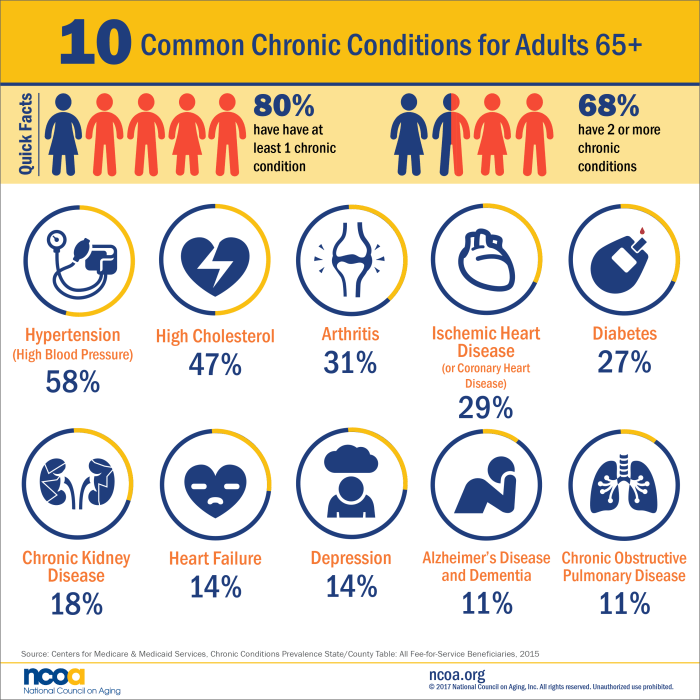
Conditions like depression, anxiety, and schizophrenia are among the most prevalent mental health disorders globally. They can have a profound impact on a person’s emotional well-being and overall functioning.Chronic diseases pose a significant burden on global health systems, leading to increased healthcare costs, reduced productivity, and diminished quality of life for affected individuals. Factors such as aging populations, unhealthy lifestyles, genetic predisposition, and environmental influences contribute to the prevalence of chronic diseases.Statistics show that chronic diseases tend to be more prevalent in older age groups due to the cumulative effects of risk factors over time.
However, there is also a rising trend of chronic disease incidence among younger populations, highlighting the need for early prevention and intervention strategies.
Cardiovascular Diseases
Cardiovascular diseases refer to a group of conditions that affect the heart and blood vessels, leading to various health complications.
Types of Cardiovascular Diseases
- Coronary Artery Disease: A condition caused by the buildup of plaque in the arteries supplying blood to the heart.
- Heart Failure: When the heart is unable to pump enough blood to meet the body’s needs.
- Stroke: Caused by a blockage or rupture of blood vessels in the brain, leading to a lack of oxygen and nutrients.
- High Blood Pressure: Also known as hypertension, it can damage the blood vessels and increase the risk of heart disease.
Risk Factors for Cardiovascular Diseases
- Smoking
- High cholesterol levels
- Obesity
- Lack of physical activity
- Diabetes
Prevention and Management through Lifestyle Changes
Lifestyle changes play a crucial role in preventing and managing cardiovascular diseases. These include:
- Adopting a healthy diet rich in fruits, vegetables, whole grains, and lean proteins.
- Engaging in regular physical activity to maintain a healthy weight and strengthen the heart.
- Avoiding tobacco use and limiting alcohol consumption.
- Managing stress through relaxation techniques and adequate sleep.
Advancements in Treating Cardiovascular Diseases
- Minimally invasive procedures such as angioplasty and stenting for coronary artery disease.
- Advancements in medications to control blood pressure, cholesterol levels, and prevent blood clots.
- Surgical interventions like bypass surgery and heart valve replacements for severe cases.
- Innovative technologies such as wearable devices and telemedicine for remote monitoring and management of heart conditions.
Diabetes
Diabetes is a chronic condition that affects how your body processes glucose (sugar) in the blood. There are two main types of diabetes – type 1 and type 2, each with different causes and management strategies.
Difference between Type 1 and Type 2 Diabetes
Type 1 diabetes is an autoimmune disease where the immune system attacks the insulin-producing cells in the pancreas, leading to little to no insulin production. On the other hand, type 2 diabetes occurs when the body becomes resistant to insulin or doesn’t produce enough insulin to maintain normal blood sugar levels.
Long-Term Complications of Uncontrolled Diabetes
- Cardiovascular disease: Uncontrolled diabetes can lead to heart disease, stroke, and high blood pressure.
- Neuropathy: Nerve damage can occur, affecting sensation in the feet and hands.
- Retinopathy: Diabetes can cause damage to the blood vessels in the eyes, leading to vision problems and blindness.
- Kidney disease: Diabetes is a leading cause of kidney failure.
Management Strategies for Diabetes
- Monitoring blood sugar levels regularly.
- Taking insulin or other medications as prescribed by a healthcare provider.
- Eating a balanced diet rich in fruits, vegetables, whole grains, and lean proteins.
- Engaging in regular physical activity to help control blood sugar levels.
Role of Diet and Exercise in Controlling Diabetes
Diet and exercise play a crucial role in managing diabetes. A healthy diet can help regulate blood sugar levels, while regular exercise can improve insulin sensitivity and overall health. It’s important for individuals with diabetes to work closely with healthcare providers to develop a personalized plan that includes diet and exercise recommendations.
Respiratory Diseases
Respiratory diseases are conditions that affect the lungs and breathing. They can range from mild to severe and can have a significant impact on a person’s quality of life.Common chronic respiratory diseases include asthma, chronic obstructive pulmonary disease (COPD), and pulmonary fibrosis. These conditions can be debilitating and require ongoing management to control symptoms and prevent complications.
Environmental Factors
Environmental factors play a significant role in the development of respiratory diseases. Exposure to air pollution, cigarette smoke, allergens, and occupational hazards can all contribute to the onset and progression of these conditions. It is essential to minimize exposure to these triggers to reduce the risk of developing respiratory diseases.
- Air pollution: Inhalation of pollutants such as particulate matter, ozone, and nitrogen dioxide can irritate the airways and worsen respiratory symptoms.
- Cigarette smoke: Smoking is a major risk factor for respiratory diseases such as COPD and lung cancer. Secondhand smoke exposure can also have harmful effects on the respiratory system.
- Allergens: Allergens like pollen, dust mites, and pet dander can trigger asthma attacks and exacerbate other respiratory conditions in susceptible individuals.
- Occupational hazards: Exposure to substances like asbestos, silica, and coal dust in the workplace can lead to the development of occupational lung diseases.
Treatment Options
Treatment for chronic respiratory diseases aims to manage symptoms, improve lung function, and enhance overall quality of life. Depending on the specific condition, treatment options may include:
- Medications: Bronchodilators, corticosteroids, and other medications can help reduce inflammation, open up the airways, and control symptoms.
- Pulmonary rehabilitation: This comprehensive program involves exercise training, education, and counseling to improve lung function and physical endurance.
- Oxygen therapy: Supplemental oxygen can help individuals with severe respiratory diseases maintain adequate oxygen levels in the blood.
- Lung transplantation: In some cases, a lung transplant may be considered for individuals with end-stage respiratory failure who have not responded to other treatments.
Symptom Management
Managing symptoms and improving quality of life for individuals with respiratory diseases involves a combination of medical treatment, lifestyle modifications, and self-care strategies. Here are some tips to help individuals cope with respiratory conditions:
- Avoid exposure to respiratory irritants and allergens.
- Follow a healthy diet and stay hydrated to support lung function.
- Stay physically active within the limits set by your healthcare provider.
- Practice relaxation techniques to reduce stress and anxiety, which can exacerbate respiratory symptoms.
- Attend regular medical appointments and adhere to your treatment plan to monitor disease progression and adjust therapy as needed.
Closure
In conclusion, the landscape of chronic diseases is vast and complex, but by understanding their impact and prevalence, we can take steps towards a healthier future. Let this discussion serve as a reminder of the importance of addressing these conditions for a better tomorrow.
FAQ Guide
Why are chronic diseases considered a global health issue?
Chronic diseases place a significant burden on healthcare systems worldwide due to their long-term management and treatment requirements.
Is there a cure for chronic diseases?
Most chronic diseases do not have a cure, but they can be managed effectively through lifestyle changes and medical interventions.
How prevalent are chronic diseases in younger age groups?
While chronic diseases are more common in older populations, there is an increasing trend of these conditions affecting younger individuals due to changing lifestyles.


