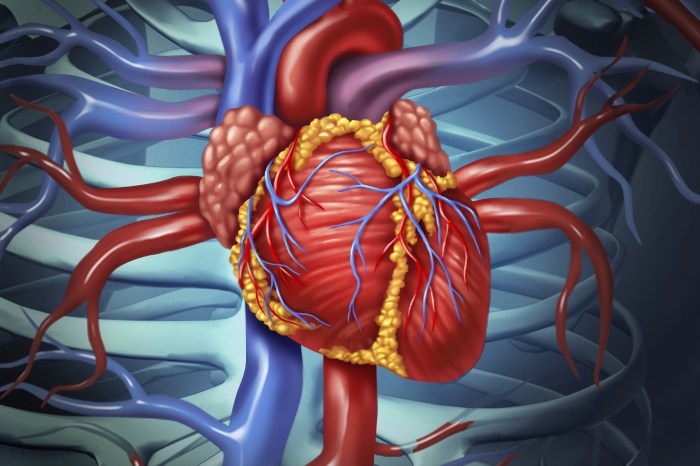
With How to prevent heart disease at the forefront, this guide will take you on a journey to discover the secrets of maintaining a healthy heart through simple lifestyle changes and choices. Get ready to explore the fascinating world of heart health!
Causes of Heart Disease
Heart disease is a leading cause of death worldwide, and understanding its causes is crucial for prevention. Several factors can contribute to the development of heart disease, including common risk factors, lifestyle choices, and genetic predisposition.
Common Risk Factors for Heart Disease
- High blood pressure: Also known as hypertension, high blood pressure can strain the heart and increase the risk of heart disease.
- High cholesterol: Elevated levels of bad cholesterol (LDL) can lead to the buildup of plaque in the arteries, restricting blood flow to the heart.
- Smoking: Tobacco smoke contains harmful chemicals that can damage blood vessels and increase the risk of heart disease.
- Obesity: Excess body weight can contribute to conditions like diabetes and high blood pressure, which are risk factors for heart disease.
Lifestyle Choices and Heart Disease
- Poor diet: Consuming high amounts of saturated fats, trans fats, and processed foods can increase the risk of heart disease.
- Lack of physical activity: Sedentary lifestyle habits can lead to weight gain, high blood pressure, and other risk factors for heart disease.
- Excessive alcohol consumption: Drinking too much alcohol can raise blood pressure and contribute to heart disease.
Genetics and Heart Disease
Genetics can play a significant role in predisposing individuals to heart disease. Family history of heart disease, inherited conditions like familial hypercholesterolemia, and genetic variations can all increase the likelihood of developing heart disease. It is essential for individuals with a family history of heart disease to be aware of their risk and take preventive measures to protect their heart health.
Healthy Diet for Heart Disease Prevention
Eating a healthy diet is crucial for preventing heart disease. By incorporating certain foods and making smart choices, you can support your heart health and overall well-being.
Foods Beneficial for Heart Health
- Eat more fruits and vegetables: These foods are rich in vitamins, minerals, and antioxidants that can help reduce the risk of heart disease.
- Include whole grains: Whole grains like oats, brown rice, and quinoa are high in fiber and can help lower cholesterol levels.
- Choose lean proteins: Opt for lean sources of protein such as poultry, fish, beans, and legumes to reduce saturated fat intake.
- Healthy fats: Incorporate sources of healthy fats like avocados, nuts, seeds, and olive oil for heart-healthy benefits.
Impact of High-Sodium Diet on Heart Disease
A high-sodium diet can contribute to high blood pressure, which is a major risk factor for heart disease. Excess sodium can cause the body to retain water, leading to increased blood volume and pressure on the heart and blood vessels.
Reducing sodium intake can help lower blood pressure and decrease the risk of heart disease.
Incorporating Fruits and Vegetables into Your Diet
Fruits and vegetables are packed with essential nutrients like fiber, vitamins, and minerals that support heart health. They can help lower cholesterol, reduce inflammation, and improve overall cardiovascular function.
Regular Physical Activity
Regular physical activity plays a crucial role in preventing heart disease by improving cardiovascular health, lowering blood pressure, reducing cholesterol levels, and maintaining a healthy weight.
Benefits of Regular Exercise
Regular aerobic exercise, such as brisk walking, running, cycling, or swimming, helps strengthen the heart and improve circulation. Strength-training exercises, like weight lifting or bodyweight exercises, enhance muscle tone and metabolism, contributing to overall heart health.
Examples of Aerobic and Strength-Training Exercises
- Aerobic Exercises: Brisk walking, jogging, cycling, swimming, dancing
- Strength-Training Exercises: Weight lifting, bodyweight exercises (push-ups, squats, planks), resistance band workouts
Recommended Frequency and Duration
Regular physical activity for heart disease prevention should include:
- Aerobic Exercise: At least 150 minutes of moderate-intensity or 75 minutes of vigorous-intensity aerobic activity per week
- Strength Training: Include strength-training exercises at least two days a week, targeting major muscle groups
Managing Stress and Mental Health
Stress can have a significant impact on heart health, as it can lead to behaviors that increase the risk of heart disease such as overeating, lack of physical activity, and smoking. Chronic stress can also contribute to high blood pressure and inflammation, both of which are risk factors for heart disease.
Relaxation Techniques to Reduce Stress Levels
- Deep breathing exercises: Taking slow, deep breaths can help calm the mind and reduce stress levels.
- Meditation: Practicing mindfulness meditation can help you focus on the present moment and alleviate stress.
- Yoga: Engaging in yoga can promote relaxation and reduce the physical effects of stress on the body.
- Progressive muscle relaxation: This technique involves tensing and relaxing each muscle group in the body to release tension and reduce stress.
Connection between Mental Health and Heart Disease
Stress, anxiety, and depression are all linked to an increased risk of heart disease. People with mental health conditions may be more likely to engage in unhealthy behaviors that can negatively impact heart health. Additionally, the body’s response to stress hormones can contribute to inflammation and other processes that can damage the heart over time.
Monitoring and Managing Cholesterol Levels
Monitoring and managing cholesterol levels is crucial for maintaining heart health. Cholesterol is a fatty substance that is essential for the body, but high levels of bad cholesterol can increase the risk of heart disease.
Different Types of Cholesterol
- LDL (Low-Density Lipoprotein): Known as “bad” cholesterol, high levels of LDL can lead to plaque buildup in the arteries, increasing the risk of heart disease.
- HDL (High-Density Lipoprotein): Referred to as “good” cholesterol, HDL helps remove LDL from the bloodstream, reducing the risk of heart disease.
- Triglycerides: Another type of fat in the blood that can contribute to heart disease when levels are elevated.
Lifestyle Changes to Lower Cholesterol Levels
- Follow a heart-healthy diet rich in fruits, vegetables, whole grains, and lean proteins. Limit saturated fats, trans fats, and cholesterol intake.
- Engage in regular physical activity to help lower LDL cholesterol and raise HDL cholesterol levels.
- Maintain a healthy weight to reduce the risk of high cholesterol and heart disease.
- Avoid smoking and limit alcohol consumption, as they can negatively impact cholesterol levels and heart health.
Tips for Individuals with High Cholesterol
- Work with a healthcare provider to monitor cholesterol levels regularly and discuss treatment options if necessary.
- Take prescribed medications as directed to help manage cholesterol levels effectively.
- Include foods rich in omega-3 fatty acids, such as fatty fish, flaxseeds, and walnuts, to help improve cholesterol profiles.
- Practice stress-reducing techniques like mindfulness, yoga, or meditation to promote overall heart health.
Conditions and Diseases

Heart disease can be influenced by various underlying health conditions. Identifying and managing these conditions is crucial in preventing the development of heart disease.
Hypertension and Heart Health
- Hypertension, or high blood pressure, can strain the heart and lead to damage over time.
- Consistently high blood pressure can weaken the heart muscle and increase the risk of heart disease.
- Managing hypertension through lifestyle changes and medication can help reduce the risk of heart complications.
Diabetes and Heart Health
- Diabetes can contribute to heart disease by affecting blood sugar levels and increasing the risk of cardiovascular complications.
- Uncontrolled diabetes can damage blood vessels and nerves, impacting heart function.
- Proper management of diabetes, including monitoring blood sugar levels and following a healthy diet, is essential in preventing heart disease.
Last Recap
In conclusion, taking proactive steps to prevent heart disease is key to living a long and healthy life. By making smart choices about diet, exercise, stress management, and monitoring your health, you can reduce your risk and enjoy a strong heart for years to come. Here’s to your heart health!
Q&A
Can heart disease be prevented entirely?
While it’s not always possible to prevent heart disease completely, adopting a healthy lifestyle can significantly reduce your risk.
Is it true that genetics play a role in heart disease?
Yes, genetics can predispose individuals to heart disease, but lifestyle factors also play a significant part.
How often should I exercise to prevent heart disease?
Experts recommend at least 150 minutes of moderate exercise per week to maintain heart health.
What are some relaxation techniques to reduce stress?
Deep breathing, meditation, and yoga are effective ways to lower stress levels and improve heart health.
Can high cholesterol always lead to heart disease?
High cholesterol is a risk factor for heart disease, but with lifestyle changes, its impact can be minimized.


